The Great Indian Wedding: A Modern Crossroads of Tradition and Aspiration
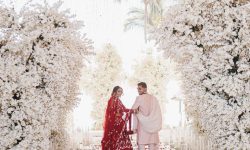
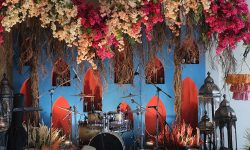
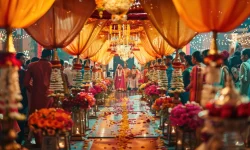
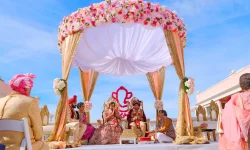
The concept of an Indian wedding is a universe unto itself. It is a kaleidoscope of vibrant colours, sacred rituals, deep-rooted traditions, and explosive joy. For centuries, it has been the cornerstone of family and society, a testament to heritage and community. But today, the great Indian wedding stands at a fascinating crossroads, a confluence of time-honoured traditions and modern, individual aspirations. It’s in this dynamic landscape that every couple faces their first, and perhaps most significant, planning decision: the fundamental choice in the budget vs luxury weddings debate. This single decision acts as the foundational blueprint upon which every other choice—from the guest list to the gastronomic journey—will be built.
The Evolving Narrative of Weddings in 21st Century India
The Indian wedding of 2025 is not the same as it was even a decade ago. Several powerful forces have reshaped its narrative:
- The Influence of Social Media: Platforms like Instagram and Pinterest have created a visual-first culture. Couples are exposed to a global standard of wedding aesthetics, from Tuscan-themed Sangeets to minimalist Nikah ceremonies. This creates both inspiration and pressure, directly fueling the discussion around budget vs luxury weddings. A “viral” wedding is often perceived as a luxury one, but savvy couples are now finding ways to create “Instagrammable” moments on a budget.
- Growing Financial Independence: More couples are contributing significantly to their wedding funds, if not funding the entire event themselves. This financial stake gives them greater ownership and a louder voice in the decision-making process, moving away from purely parent-driven choices. Their personal financial goals—a down payment on a house, an international travel fund, an investment portfolio—directly influence their stance on the budget vs luxury weddings spectrum.
- Shifting Priorities: While community and family remain central, there is a growing emphasis on the “couple’s experience.” Modern couples want a wedding that reflects their unique story, their tastes, and their values. This has given rise to intimate destination weddings, eco-conscious celebrations, and highly personalized events, each of which can be executed as either a budget or luxury affair.
Why the ‘Budget vs Luxury Weddings’ Debate is the Most Important Conversation for Couples Today
This isn’t merely a conversation about money; it’s a conversation about values. Your choice reveals what you prioritise as a couple. Is it the experience of a hundred close-knit guests over the grandeur of a thousand? Is it investing in a world-class photographer to capture memories forever, while saving on ephemeral decor? Or is it about creating a once-in-a-lifetime, multi-day spectacle that becomes a benchmark for celebrations in your circle?
The budget vs luxury weddings conversation forces couples to have honest discussions about:
- Financial Futures: How does this one event impact our long-term financial health?
- Family Expectations: How do we balance our vision with the expectations of our parents and elders?
- Personal Stress Levels: How much of the planning process do we want to manage ourselves versus outsourcing to professionals?
- The Definition of ‘Memorable’: What will we, as a couple, remember most fondly 20 years from now?
Answering these questions thoughtfully is the key to planning a wedding that is not only beautiful but also meaningful and free of regret. The dialogue surrounding budget vs luxury weddings is the framework for that essential introspection.
A Glimpse into This Ultimate Guide
This 10,000-word guide is designed to be your most trusted companion in this journey. We will move far beyond surface-level comparisons. We will dissect every single element of an Indian wedding, providing detailed analysis, actionable checklists, expert insights from top planners like Blue Fusion Events, and realistic cost breakdowns. We will explore the psychological and emotional factors at play and equip you with the knowledge to navigate the complex landscape of the Indian wedding industry. From choosing a venue in a bustling metro to selecting a budget wedding planner India, this guide covers it all. Prepare for a deep dive that will empower you to make the perfect choice in the great budget vs luxury weddings deliberation.
Defining Our Terms: What Do We Really Mean by ‘Budget’ and ‘Luxury’?
Before we proceed, let’s redefine our core terms to move beyond simplistic price tags.
- Budget Wedding: This does not mean “cheap” or “compromised.” A modern budget wedding is Intentional, Smart, and Personalized. It’s about allocating funds with surgical precision to the elements that matter most to the couple. It’s characterized by creativity, resourcefulness, and a focus on intimate, heartfelt moments. It’s about achieving a high-end look and feel through clever choices, not sheer spending.
- Luxury Wedding: This does not just mean “expensive.” A true luxury wedding is Experiential, Bespoke, and Grand-Scale. It’s about creating an immersive world for guests, where every detail is meticulously crafted and flawlessly executed. It’s characterized by access to the best-in-class vendors, unparalleled service, and the creation of a unique, multi-sensory event that tells a story. The core of luxury wedding planning is to remove all stress from the couple and their family.
Understanding this nuanced difference is the first step in correctly positioning yourself in the budget vs luxury weddings landscape.
Budget vs Luxury Wedding – A Detailed Feature-by-Feature Breakdown
The initial comparison table gave a quick overview, but the reality of planning lies in the details. Here, we dissect each feature to reveal the true operational and experiential differences, providing a comprehensive framework for your budget vs luxury weddings decision.
Guest Count: The Intimacy vs Grandeur Equation
The size of your guest list is the single most significant cost driver. Every additional guest impacts the cost of the venue, catering, invitations, and favours.
- The Budget Approach (50-200 guests): The philosophy here is intimacy. The guest list is curated to include only the closest family and friends, people who have been an integral part of the couple’s journey.
- Pros: Deeper, more meaningful interactions with every guest. Lower overall costs. Wider range of venue options, including unique, smaller venues that can’t accommodate large crowds.
- Cons: Potential for difficult conversations when trimming the list, especially with parental expectations of inviting a wider social and business circle.
- The Financial Impact: In the budget vs luxury weddings calculation, a smaller guest list is the fastest way to control costs. A 150-person wedding will almost always be more affordable than a 400-person one, even with high per-person spending.
- The Luxury Approach (150-1000+ guests): The philosophy here is grandeur and inclusivity. The event is a large-scale celebration involving extended family, business associates, and a wide social network.
- Pros: A truly grand, festive atmosphere. Fulfills social and familial obligations. Creates a large networking opportunity.
- Cons: The per-head cost multiplies rapidly. The couple may spend most of their time greeting guests rather than experiencing the event. Logistical complexity increases exponentially.
- The Crossover: Note that a 150-guest wedding can also be an ultra-luxury affair, where the focus is on providing an unparalleled experience for a select group.
Venue Philosophy: Accessibility vs Exclusivity
The venue sets the stage. The choice reflects a core philosophy.
- The Budget Philosophy (Accessibility & Functionality): The goal is to find a venue that is convenient for guests, well-equipped, and provides the best value. Local banquet halls, community centers, and mid-range hotels are chosen for their practical benefits and reasonable price points. The venue is a clean, elegant canvas, not necessarily the main attraction.
- The Luxury Philosophy (Exclusivity & Wow-Factor): The venue is a core part of the experience. It’s a statement. A 5-star hotel ballroom, a restored Rajasthani palace, or a private beachfront resort in Goa are chosen for their brand value, stunning aesthetics, and impeccable in-house service. The choice of venue in luxury wedding planning is a powerful signal of the event’s scale.
Decor & Ambiance: Curated Elegance vs Immersive Scenography
This is the visual manifestation of your choice in the budget vs luxury weddings spectrum.
- The Budget Approach (Curated Elegance): The focus is on creating maximum impact with minimal spend. This involves using a strong colour palette, elegant fabric drapes, and clever lighting to transform a space. Decor is often sourced from pre-set packages, with personalization coming from smaller details like custom signage or unique table centerpieces.
- The Luxury Approach (Immersive Scenography): This is about world-building. An event stylist is hired to create a unique theme from scratch. The decor is multi-layered and structural, involving custom-built mandaps, elaborate floral installations with exotic blooms, and advanced technology like projection mapping. The goal is to transport guests to another world, making the decor an interactive part of the celebration.
Capturing Memories: Documenting Moments vs Crafting a Cinematic Legacy
How you choose to remember your day is a deeply personal and critical investment.
- The Budget Approach (Documenting Moments): The priority is to have a clean, professional, and authentic record of the wedding. A single talented photographer or a small team is hired to cover the key rituals and candid moments. The deliverables are typically a set of edited high-resolution photos and a chronologically edited wedding video.
- The Luxury Approach (Crafting a Cinematic Legacy): This is about storytelling on a grand scale. A large, specialized crew is assembled, including candid photographers, traditional photographers, cinematographers, drone operators, and editors. They work like a film crew to create a feature-length wedding film with a narrative arc, stunning visuals, and licensed music. This is a key differentiator in the budget vs luxury weddings comparison.
The Wedding Wardrobe: High-Street Style vs Haute Couture
The couple’s attire is a central focus of any Indian wedding.
- The Budget Approach (High-Street Style & Smart Sourcing): This is about looking like a million bucks without spending it. Couples might rent designer wear for a fraction of the retail price, explore the bustling markets of Chandni Chowk or Lajpat Nagar for beautiful replicas, or buy from mid-range designers and online stores. The focus is on the final look, not the label.
- The Luxury Approach (Haute Couture & Bespoke Jewels): The outfits are part of the luxury experience. This involves personal consultations with top designers like Sabyasachi or Manish Malhotra to create custom, one-of-a-kind ensembles. The attire is complemented by bespoke fine jewelry made from diamonds, polki, or heritage gold. It’s a statement of personal style and an investment in heirloom pieces.
The Ultimate Differentiator: The Cost Spectrum in the Indian Wedding Market
Ultimately, the most tangible difference in the budget vs luxury weddings analysis is the final bill. The wedding cost comparison India reveals a staggering range. A beautiful, well-planned budget wedding in a Tier-2 city can be accomplished for ₹5-8 Lakhs. A mid-range wedding in a metro city typically falls between ₹15-30 Lakhs. The entry point for what is considered a luxury wedding is around ₹35-50 Lakhs, with grand destination weddings and celebrity-style celebrations easily soaring into multiple crores. Understanding this spectrum is vital for setting realistic expectations from the outset.
Choosing Your Canvas: A Deep Dive into Wedding Venues
The venue is more than just a location; it’s the canvas upon which your wedding masterpiece will be painted. It dictates the mood, the logistics, and a significant portion of your budget. This chapter provides an exhaustive look at venue selection across the budget vs luxury weddings divide.
The Soul of a Budget Wedding: Maximizing Value with Venue Choices
Choosing a venue for a budget-friendly wedding is an exercise in strategic thinking. The goal is to find a space that offers the best combination of aesthetics, convenience, and cost-effectiveness.
The All-in-One Banquet Hall: The Pragmatic Choice
Banquet halls are the workhorses of the Indian wedding industry, and for good reason. They offer a turnkey solution that simplifies planning.
- Pros: Most banquet halls offer all-inclusive packages that bundle the space, basic decor, and catering at a set per-plate cost. This makes budgeting straightforward. They are typically located in accessible parts of the city, reducing travel hassle for guests.
- Cons: They can feel generic, with limited scope for unique decor. You might have to share the larger property with another wedding party, which can lead to noise and parking issues.
- Negotiation Tips: Always ask if the per-plate cost is negotiable, especially for larger guest counts or off-season dates. Clarify what the “basic decor” includes—ask for pictures. Enquire about corkage fees if you want to bring your own alcohol.
- The Verdict in the budget vs luxury weddings analysis: The banquet hall is the undisputed king of value-driven, efficient wedding celebrations.
The Blank Canvas: Community Grounds, Lawns, and Farmhouses
For couples who want more control over the look and feel, renting a bare-bones space can be a great option.
- Pros: You have complete creative freedom. You can bring in your own decorator, caterer, and DJ, allowing you to handpick vendors who fit your budget and style. Outdoor venues offer a beautiful, natural backdrop.
- Cons: The logistical complexity is immense. You are responsible for everything: power (generator backup is a must), portable washrooms, kitchen setup for the caterer, licensing, and security. The costs of renting these individual components can sometimes add up to more than an all-inclusive package.
- The Planning Angle: This option is best undertaken with a budget wedding planner India who has experience with non-traditional venues and can manage the complex web of vendors.
The Smart Choice: Mid-Range Hotels and Off-Season Deals
Many 3-star and 4-star hotels offer a sweet spot between the simplicity of a banquet hall and the premium feel of a luxury hotel.
- Pros: They offer a degree of professionalism and service that standalone halls may lack. They have on-site accommodation for out-of-town guests. Their ballrooms are often well-maintained and aesthetically pleasing.
- The Hack: The biggest advantage here is the potential for off-season discounts. A hotel that commands a high price in the peak season (Nov-Feb) might offer a 30-40% discount for a date in July or August. This is a key strategy in planning a high-value budget wedding.
Checklist for Vetting a Budget-Friendly Venue
- Capacity and Layout: Does it comfortably fit your guest list? Is there a separate area for dining and rituals?
- Inclusions and Exclusions: Get a written list of everything included in the price.
- Vendor Policy: Are you allowed to bring in outside vendors (especially decorators and caterers)?
- Accessibility and Parking: Is it easy for guests to reach? Is there ample, safe parking?
- Contingency Plan: For outdoor venues, what is the rain plan? Is there an indoor backup space?
- Reviews: Check online reviews on Google, Weddingz.in, and other portals for unbiased feedback from previous clients.
The Heart of a Luxury Wedding: Signature Venues that Define Grandeur
In the realm of luxury wedding planning, the venue is a non-negotiable statement piece. It’s chosen for its legacy, service, and the sheer power of its name.
The 5-Star Experience: The Epitome of Flawless Service
Hotel chains like Taj, The Oberoi Group, ITC Hotels, and Leela Palaces are masters of hospitality.
- The Offering: They provide an end-to-end ecosystem for a luxury wedding. This includes opulent ballrooms, manicured lawns, world-class in-house catering, luxurious suites for guest accommodation, and a dedicated, highly trained events team.
- The Cost: This convenience comes at a premium. Per-plate costs at these hotels can start from ₹3,000 and go up to ₹10,000+, and they often have a minimum guest count requirement for their prime spaces.
- Why It’s Chosen: Couples choose 5-star hotels for peace of mind. The brand guarantees a certain standard of quality and service, eliminating many of the risks associated with standalone venues. This is a cornerstone of the luxury side of the budget vs luxury weddings debate.
Royal Splendor: Heritage Palaces of Rajasthan
For the ultimate fairytale wedding, nothing comes close to the majestic palaces of Rajasthan.
- The Dream Locations: Umaid Bhawan Palace in Jodhpur, Rambagh Palace in Jaipur, and the lake palaces of Udaipur (like Taj Lake Palace and The Oberoi Udaivilas) are among the most sought-after wedding venues in the world. They offer a backdrop of history, royalty, and unparalleled architectural beauty.
- The Logistics: Planning a palace wedding is a massive undertaking. It often involves a full hotel buyout, managing complex logistics for guest travel and accommodation, and working with planners who specialize in these heritage properties. Blue Fusion Events, for instance, has extensive experience in managing large-scale destination weddings in these royal locales.
- External Credibility: The global appeal of these venues is heavily promoted by state tourism bodies and the national tourism ministry. The official website of Rajasthan Tourism, for example, is a resource for understanding the heritage value of these properties.
Sun, Sand, and Vows: Beachfront Properties
Goa remains an eternal favourite for its laid-back, celebratory vibe.
- The Venues: Luxury resorts in South Goa like The Leela, Alila Diwa, and Taj Exotica offer private beach access, stunning sunset views, and sprawling lawns for Sangeet and reception parties.
- The Vibe: A Goa wedding feels more like a vacation for the guests. The events are spread out, with pool parties and beach ceremonies creating a relaxed, festive atmosphere. It’s a different flavour of luxury compared to the formal grandeur of a palace wedding.
The International Escape: Trending Destinations
For the ultra-rich and globally mobile, an international destination wedding is the ultimate statement.
- Popular Spots: The UAE (Dubai, Abu Dhabi), Thailand (Phuket, Hua Hin), and Europe (Lake Como in Italy, scenic spots in Turkey) are popular for their stunning venues and world-class infrastructure.
- The Planner’s Role: This is where a luxury wedding planning firm is indispensable. They handle international vendor contracts, navigate legal marriage requirements in a foreign country, manage guest travel and visas, and ensure a seamless experience across borders.
The Regional Factor: Venue Cost Comparison Across Major Indian Cities
The city you choose to get married in has a massive impact on venue costs.
- Mumbai & Delhi: As the country’s top metro cities, they have the highest venue costs. A premium banquet hall can cost upwards of ₹2,500 per plate.
- Bangalore & Hyderabad: Slightly more affordable than Mumbai/Delhi, but costs for premium properties are rapidly catching up.
- Jaipur & Udaipur: While the palace hotels are incredibly expensive, there are many other beautiful heritage “havelis” and hotels that offer a royal feel for a more moderate price, making them a hub for the entire budget vs luxury weddings market.
- Tier-2 Cities (Lucknow, Chandigarh, Indore): These cities offer the best value. You can often book a 5-star property in a Tier-2 city for the price of a mid-range banquet hall in Mumbai.
Visual Storytelling: The Art and Science of Wedding Decor
Wedding decor is the soul of the event’s aesthetic. It’s what transforms a physical space into an emotional experience. The approach to decor is one of the most visible differentiators in the budget vs luxury weddings landscape. This chapter explores how to craft your visual story, no matter the size of your wallet.
Budget Decor: The Art of Smart Elegance
Creating a stunning wedding on a budget is not about having less; it’s about being smarter with what you have. The philosophy is “maximum impact from minimal elements.”
The Power of Color Palettes and Fabrics
A strong, consistent colour palette is the most cost-effective way to make your decor look cohesive and high-end.
- Strategy: Choose a palette of 2-3 colours and use it across all elements: drapes, table linens, florals, and even lighting. Instead of expensive, heavy structures, use flowing drapes and elegant fabrics to create a soft, romantic ambiance. Tents and canopies can be transformed with colourful fabrics for Mehendi and Haldi functions.
- The Pro Tip: An experienced decorator, even one working on a budget, knows how to use fabric and colour to hide imperfections in a venue and create a sense of luxury. This is a key skill to look for when hiring.
DIY Decor Elements that Look High-End
Personal touches make a wedding memorable. DIY (Do-It-Yourself) or DIH (Do-It-for-Me-with-Help) can be a great way to add personality without inflating the budget.
- Examples:
- Personalized Signage: Create welcome signs, seating charts, and fun quotes on chalkboards or with printable templates from Etsy.
- Table Centerpieces: Instead of large floral arrangements, consider clusters of elegant candles, floating flowers in bowls, or small potted succulents that can double as wedding favours.
- Photo Walls: A simple backdrop with strings of fairy lights and Polaroids of the couple’s journey is an engaging and inexpensive alternative to a large, custom-built photo booth.
Lighting as a Game-Changer on a Budget
Lighting is the secret weapon of decor. The right lighting can make even the simplest setup look magical.
- Techniques:
- Fairy Lights: Enveloping trees, creating canopies, or used as backdrops, they add instant romance for a very low cost.
- Uplighting: Placing simple coloured LED lights at the base of walls or pillars can wash a room in your chosen theme colour, dramatically changing its look.
- Gobo Projections: Projecting a custom monogram of the couple’s initials onto a dance floor or a bare wall is a high-impact feature for a surprisingly low cost.
Case Study: A Stunning ₹2 Lakh Decor Setup in Delhi (Hypothetical)
Imagine a 150-guest wedding at a farmhouse lawn. A smart budget wedding planner India could allocate a ₹2 Lakh decor budget as follows:
- Mehendi: A vibrant marigold theme. The focus is a single, heavily decorated jhoola (swing) for the bride. The rest of the lawn uses simple yellow and orange drapes and floor seating with colourful cushions. Cost: ~₹40,000.
- Sangeet: A “Starry Night” theme. The stage backdrop is a simple black cloth covered in a dense web of fairy lights. Uplighting in blue washes the tent, and the centerpieces are simple glass vases with submersible LED lights. Cost: ~₹60,000.
- Wedding: A classic pastel and gold theme. The mandap is an elegant, simple structure with pastel drapes and strings of tuberoses (a fragrant, inexpensive flower). The aisle is lined with candles in hurricane lamps. Cost: ~₹1,00,000.
This case study shows how strategic allocation is key in the budget side of the budget vs luxury weddings equation.
Luxury Decor: Building an Immersive Universe
Luxury decor is a form of theatre. It’s about creating a multi-sensory, immersive experience that leaves guests breathless. This is where luxury wedding planning truly becomes an art form.
The Role of the Event Stylist and Designer
Unlike a decorator who executes a look, a luxury event stylist or designer creates the entire visual concept from the ground up.
- The Process: It begins with understanding the couple’s story, personality, and style. The designer then creates detailed mood boards and 3D renders of the event spaces. They design every single visual element, from the grand entrance arch to the napkins on the table.
- The Difference: This is a holistic approach. The decor, lighting, florals, and even the furniture are all part of a single, cohesive design language. A planner like Blue Fusion Events works with a panel of top designers to bring these ambitious visions to life, which can be seen in their gallery.
Bespoke Theme Creation: From Mood Board to Reality
Luxury themes go far beyond just colours. They are narratives.
- Examples:
- “An Enchanted Forest”: Transforming a ballroom with real trees, moss-covered floors, a canopy of twinkling lights, and a misty haze.
- “A Royal Mughal Court”: Recreating the opulence of a durbar with rich velvet drapes, intricate archways, large urlis filled with floating roses, and live sitar players.
- “Art Deco Gala”: A Sangeet with the geometric patterns, gold accents, and feather details of the Roaring Twenties, complete with a jazz band and a champagne tower.
Structural Marvels and Advanced Technology
This is where a significant portion of the luxury decor budget goes.
- Custom Structures: Building elaborate, custom-designed mandaps that appear to float on water, creating grand, tunnel-like entrances, or constructing multi-level stages for performances.
- Projection Mapping: Using high-powered projectors to map custom visuals onto the walls of a palace or the interior of a ballroom, making the architecture come alive and change throughout the night.
- Interactive Elements: LED walls that display dynamic content, dance floors that light up, and other tech-infused elements that engage the guests. This high-tech approach is a hallmark of the luxury side of the budget vs luxury weddings experience.
A Look Inside a ₹50 Lakh+ Decor Budget
Where does that money go?
- Design & Conceptualization: Fees for a top-tier event designer (₹5-10 Lakhs).
- Florals: Importing exotic flowers like Dutch tulips, Colombian hydrangeas, and Japanese peonies (₹15-20 Lakhs).
- Structures & Fabrication: Building custom sets, stages, and mandaps (₹10-15 Lakhs).
- Lighting & Tech: Advanced lighting design, LED walls, and projection mapping (₹5-10 Lakhs).
- Logistics: Transportation, labour for setup and teardown (which can take days), and permissions (₹5 Lakhs+).
The stark contrast in this budget breakdown clearly illustrates the different worlds of budget vs luxury weddings when it comes to visual execution.
The Lasting Image: Photography & Videography
After the music fades and the guests depart, it is the photographs and videos that remain as the eternal keepers of your wedding memories. This investment is arguably one of the most important you will make, as it is the only one that appreciates in emotional value over time. The approach to capturing these memories is a powerful illustration of the differences in the budget vs luxury weddings philosophy.
Budget-Friendly Photography: Capturing Joy Authentically
For a budget-conscious wedding, the goal is to secure a beautiful, clean, and heartfelt documentation of the events without allocating a disproportionate amount of the budget. It’s about finding talent and professionalism, not just a big name.
Understanding Photography Styles on a Budget: Traditional vs. Candid
It’s crucial to know what you’re asking for.
- Traditional Photography: This is the classic, posed style. The photographer directs the subjects, ensuring everyone is looking at the camera. It’s essential for creating formal family portraits and group shots that are often cherished by the older generation. Most budget-friendly packages excel at this.
- Candid or Photojournalistic Photography: This style focuses on capturing moments as they happen, without direction. It’s about the stolen glances, the heartfelt laughter, and the emotional tears. Many talented upcoming photographers specialize in this authentic style. A good budget package will offer a healthy mix of both.
How to Find and Vet Talented Upcoming Photographers
The market is filled with incredible talent that doesn’t yet command celebrity prices.
- Where to Look: Instagram is your best friend here. Search hashtags like #DelhiWeddingPhotographer or #BangaloreCandidPhotography. Wedding portals like WedMeGood and Weddingz.in also list portfolios across different budget brackets. Personal references from recently married friends are gold.
- The Vetting Process:
- Full Album Review: Never judge a photographer by their 10 best Instagram posts. Ask to see at least 2-3 full wedding albums. This shows you their consistency across an entire event, from well-lit ceremonies to chaotic dance floors.
- Gear and Backup: Ask about their equipment. You don’t need to be an expert, but they should be able to confidently name their camera bodies, lenses, and lighting gear. Crucially, ask about their backup plan for cameras, memory cards, and data storage.
- Personality Fit: You will spend more time with your photographer than almost anyone else on your wedding day. Schedule a call or meeting to see if you have a good rapport. You want someone who makes you feel comfortable, not awkward.
Deconstructing a Standard Photo/Video Package
A typical budget package (ranging from ₹80,000 to ₹1.5 Lakhs) might include:
- Coverage: Photography and Videography for all key events (e.g., Mehendi, Sangeet, Wedding).
- Team: Often a 2-person team (one photographer, one videographer).
- Photography Deliverables: 300-500 edited high-resolution images. A printed photo album with 100-150 of the best images.
- Videography Deliverables: A 5-7 minute cinematic highlights reel set to music. A 45-60 minute full documentary-style video of the entire wedding.
It’s vital to get these deliverables specified in a written contract to avoid future misunderstandings. The clarity of deliverables is a key point of comparison in the budget vs luxury weddings analysis.
Luxury Wedding Cinematography: Crafting Your Personal Epic
In luxury wedding planning, photography and videography are elevated from documentation to high art. It’s about producing a cinematic masterpiece that is as grand and polished as the event itself.
The ‘Dream Team’ Concept: A Symphony of Specialists
A luxury wedding isn’t covered by one or two people; it’s covered by a specialized platoon.
- The Lead Photographer: The main visionary, responsible for the overall artistic direction and key couple portraits.
- The Second Shooter: Focuses on capturing different angles, guest reactions, and decor details, ensuring comprehensive coverage.
- The Candid Specialist: A photographer whose sole job is to roam and capture unposed, emotional moments.
- The Lead Cinematographer: Manages the video team, directs the shots, and ensures the narrative flow.
- Additional Cinematographers/Camera Operators: Handle multiple camera angles, operate gimbals for smooth moving shots, and capture B-roll footage.
- The Drone Operator: A licensed pilot who captures breathtaking aerial shots of the venue and ceremonies.
- The On-site Editor: A technician who works in real-time to create a Same-Day Edit (SDE) to be played at the reception.
This team structure is a primary reason for the high cost associated with the luxury side of the budget vs luxury weddings spectrum.
The Pre-Wedding Film as a Narrative Device
The luxury pre-wedding experience has evolved far beyond a simple photoshoot in a local park. It’s now a short film.
- The Concept: Couples work with their photo/video team to script a conceptual film that tells their love story. This can be a re-enactment of how they met, a travelogue shot in an exotic location (like Iceland or Turkey), or a high-fashion editorial-style film.
- The Purpose: This film is often screened at the Sangeet or reception, serving as a grand, personal opening to the festivities and setting an emotional tone.
Advanced Cinematic Techniques and Technology
Luxury teams use equipment and techniques on par with professional film sets.
- Gear: They use high-end cinema cameras from brands like RED or ARRI, a wide array of cinema lenses for a soft, dreamy look, and professional lighting and sound recording equipment.
- Techniques:
- Same-Day Edit (SDE): A technically demanding feat where the team shoots, edits, and produces a 3-5 minute highlights video of the wedding ceremony, which is then shown to guests at the reception just a few hours later. It creates a massive “wow” moment.
- Multi-Camera Live Streaming: A professional broadcast-quality live stream for international guests, with multiple camera angles and a live switching feed, far superior to a simple smartphone stream.
- A look at the Blue Fusion Events gallery showcases the polished, high-production-value results that these techniques yield.
The Post-Production Powerhouse
The work doesn’t end when the wedding is over. A significant portion of the cost (and time) is spent in post-production. This includes meticulous colour grading to achieve a signature look, professional sound design and mixing, licensing commercial music tracks, and editing multiple versions of the film (a 1-minute Instagram teaser, a 5-minute highlight film, and a 20-40 minute feature film). This dedication to post-production is a critical, yet often invisible, difference in the budget vs luxury weddings landscape.
Outfits & Attire: Weaving Your Personal Style
For the couple, the wedding attire is more than just clothing; it’s a form of self-expression, a nod to tradition, and a key part of the celebration’s visual identity. The approach to building the wedding wardrobe is a very personal chapter in the budget vs luxury weddings story.
The Budget Wedding Wardrobe: Style, Smarts, and Sustainability
Looking spectacular on a budget is an art form that Indian couples have perfected. The philosophy is to prioritize the overall look and feel over brand names and to leverage the incredible diversity of the Indian retail landscape.
The Magic of Renting: Designer Looks for a Day
The rental market for Indian bridal wear has exploded in recent years.
- How it Works: Companies and boutiques allow you to rent a designer lehenga or sherwani, often worth lakhs, for a period of 3-4 days for a fraction of the price (typically 10-15% of the retail cost).
- The Benefit: This is the ultimate budget hack. You get to wear a high-fashion, on-trend outfit for your main event without the massive financial outlay or the long-term storage headache. It’s also a more sustainable choice.
The Treasure Hunts of Old Delhi and Local Markets
For centuries, markets like Chandni Chowk in Delhi, Burrabazar in Kolkata, and similar hubs in other cities have been the go-to for wedding shopping.
- The Experience: It’s a treasure hunt. You can find stunning designs that are heavily inspired by top designers, or you can work with a local artisan to create a custom piece from scratch. It requires time, patience, and some negotiation skills, but the rewards are immense.
- The Value: You can often get a heavily embroidered, high-quality lehenga for under ₹1 Lakh that would cost 5-10 times more from a major designer label. This is a core strategy for anyone navigating the budget vs luxury weddings decision with a sharp eye on value.
The Rise of Instagram Boutiques and Mid-Range Designers
A new generation of designers operates primarily online or through smaller, independent boutiques. They offer a fantastic middle ground, providing original designs and good quality at a more accessible price point than the haute couture houses.
The Luxury Wedding Wardrobe: Couture, Craft, and Legacy
For a luxury wedding, the attire is an integral part of the narrative. It’s about bespoke craftsmanship, personal consultations with master designers, and acquiring pieces that will become family heirlooms.
The Haute Couture Experience: Beyond the Garment
Buying from a top-tier Indian designer like Sabyasachi, Manish Malhotra, or Tarun Tahiliani is an experience in itself.
- The Process: It begins with a personal appointment at their flagship store, which feels more like an art gallery. The designer or their senior team consults with the couple to understand their vision. The outfit is then custom-made to their exact measurements over several months, involving multiple fittings.
- The Craft: These garments are works of art, featuring intricate, hand-done embroidery (zardozi, Chikankari, marodi work) by master craftsmen. The fabrics are the finest silks, velvets, and tissues. The attention to detail is microscopic. The Government of India’s Ministry of Textiles often promotes these indigenous crafts, which are kept alive by the couture industry.
Building a Trousseau: A Wardrobe for a Lifetime
The luxury wedding wardrobe isn’t just about the main wedding day outfit. It’s about curating a complete trousseau.
- The Scope: This includes different, often designer, outfits for every single function—a chic dress for the welcome dinner, a glittering gown for the cocktail party, a vibrant ensemble for the Mehendi, a regal outfit for the wedding, and a glamorous look for the reception. Many brides and grooms have 8-10 distinct looks.
- The Jewellery: The outfits are paired with fine jewellery. This involves purchasing or commissioning bespoke sets of diamond, polki, or jadau jewellery that are designed to complement the specific necklines and colours of the outfits. This jewellery is a significant investment and a core part of the luxury wedding budget.
The Role of the Wedding Stylist
In many luxury weddings, a professional wedding stylist is hired. Their job is to create a cohesive look for the couple (and sometimes the immediate family) across all events. They help select the designers, schedule appointments, advise on silhouettes and colours, and coordinate the jewellery, shoes, and accessories for each look. This ensures a flawless, fashion-magazine-worthy appearance from start to finish, a key service in the world of luxury wedding planning.
The Culinary Experience: A Feast for the Senses
Food is the heart of Indian hospitality. No wedding is complete without a magnificent feast. It’s an area where hosts express their generosity and guests find immense joy. The approach to this feast, however, differs dramatically across the budget vs luxury weddings spectrum.
Catering for a Budget Wedding: Delicious, Abundant, and Smart
The goal for a budget wedding is to serve food that is delicious, plentiful, and pleases a wide range of palates, all while keeping the per-head cost manageable.
Crafting a Balanced Menu Without Breaking the Bank
The key is strategic selection.
- The 80/20 Rule: Focus 80% of the menu on crowd-pleasing, popular dishes from a single, well-loved cuisine (like North Indian/Mughlai or a popular regional cuisine). Use the remaining 20% to add one or two “wow” items, like a live pasta counter or a chaat station.
- Limit Cuisines: Every additional cuisine (Chinese, Italian, etc.) adds a huge cost in terms of specialized chefs and ingredients. Sticking to one primary cuisine with a few variations is the smartest approach.
- Seasonal Sourcing: A good caterer will build a menu around seasonal vegetables and ingredients, which are fresher, tastier, and significantly cheaper than out-of-season produce.
Buffet vs. Plated Dinner: A Cost and Experience Analysis
- Buffet: This is the standard for most Indian weddings and is generally the most cost-effective option. It allows guests to choose what they want and how much they want. The downside can be long queues and a less formal feel.
- Plated Dinner: A seated, plated meal feels more formal and upscale. However, it is significantly more expensive due to the need for a larger service staff and the precise portioning of food. For a budget wedding, a buffet is almost always the more practical choice. This choice is a classic budget vs luxury weddings trade-off between formality and cost.
Finding the Right Caterer
Don’t just go with the in-house caterer of your banquet hall without due diligence.
- Tastings are Non-Negotiable: Always insist on a food tasting before finalizing a caterer. This is the only way to judge the quality and taste of their food.
- Check for Hidden Costs: Ask about charges for crockery, service staff, transportation, and taxes. Ensure the final per-plate cost is all-inclusive.
- References: Ask the caterer for references from a couple of recent weddings they have handled. A confident caterer will happily provide them.
The Luxury Wedding Menu: A Curated Culinary Spectacle
In a luxury wedding, food is elevated from a meal to a multi-sensory, gastronomic event. It’s a key part of the guest experience, designed to surprise, delight, and be talked about long after the wedding is over.
The Rise of the Food Consultant and Celebrity Chef
Luxury weddings often involve hiring a “food consultant” or a celebrity chef to design the entire culinary experience.
- The Role: They don’t just create a menu; they create a food narrative. They might design a different culinary theme for each event—a Mediterranean “souk” for the Mehendi, a formal European sit-down dinner for the reception, and a robust, traditional spread for the wedding ceremony.
- Execution: They work with the 5-star hotel’s culinary team or bring in their own specialized chefs to ensure every dish is executed to perfection.
Experiential Food Stations and Global Cuisine
The luxury buffet is a world tour on a plate.
- Live Stations Galore: It’s common to see a dozen or more live stations: a sushi bar with a master sushi chef, a wood-fired pizza oven, a teppanyaki grill, a risotto station, a taco bar, and more.
- Global Authenticity: The focus is on authenticity. The Italian food is prepared by chefs trained in Italy; the Thai food uses authentic, imported ingredients. It’s about providing a true taste of global cuisine, not just an “Indianized” version.
- Dietary Customization: An entire section is often dedicated to specialized dietary needs, with elaborate Jain, vegan, and gluten-free counters that are just as gourmet as the main spread.
The Art of Mixology and The Dessert Lounge
The beverage and dessert offerings are events in themselves.
- The Bar: The bar is not just a place to get a drink. It’s a performance. It’s helmed by flair bartenders and mixologists creating signature cocktails for the couple. There might be a dedicated whiskey tasting lounge, a gin bar with dozens of infusions, or a champagne fountain.
- The Dessert Lounge: The humble dessert counter is transformed into a sprawling lounge. It features interactive stations like a liquid nitrogen ice cream bar, a chocolate fondue fountain, a waffle-making station, and an array of delicate French pastries, baklava, and artisanal Indian sweets.
This level of detail and experience is a defining feature of the luxury side of the budget vs luxury weddings paradigm. The goal is not just to feed guests, but to entertain them with food.
The Architect Behind the Magic: The Planning Process & The Role of a Planner
A beautiful wedding, whether budget or luxury, does not happen by accident. It is the result of meticulous planning, military-grade logistics, and relentless follow-up. The process of planning is, in itself, a core differentiator in the budget vs luxury weddings experience. It determines the stress level of the couple, the smoothness of the event, and the final outcome. This chapter dissects the two primary approaches to orchestrating your dream day.
The DIY/Family-Planned Wedding: A Labour of Love
The vast majority of weddings in India are planned by the couple and their families. This approach can be incredibly rewarding, personal, and is the cornerstone of a budget-friendly wedding. However, it is a significant undertaking that requires dedication and organization.
The Ultimate Wedding Planning Checklist for DIY Couples
To stay on track, a timeline is your most powerful tool. Here is a sample month-by-month checklist:
- 10-12 Months Out:
- Have the big budget vs luxury weddings conversation and set your total budget.
- Create a rough guest list to estimate numbers.
- Research and book your wedding venue(s). Prime venues are booked a year in advance.
- Research and book your top-priority vendors (the ones whose style you love), like your photographer and makeup artist.
- 7-9 Months Out:
- Finalize and book all other major vendors: decorator, caterer (if not in-house), DJ/entertainment.
- Start your wedding shopping. If ordering custom outfits, now is the time.
- Send out “Save the Dates,” especially for out-of-town guests.
- Book travel and accommodation blocks for guests if needed.
- 4-6 Months Out:
- Design and order your wedding invitations.
- Plan the menu with your caterer and schedule a tasting.
- Plan your Sangeet choreography and start practising.
- Finalize your own travel and honeymoon plans.
- 2-3 Months Out:
- Mail out your physical invitations.
- Do a hair and makeup trial with your artist.
- Purchase wedding rings and other accessories.
- Apply for a marriage license.
- 1 Month Out:
- Have your final outfit fittings.
- Follow up with all vendors to confirm timings, logistics, and final payments.
- Create a detailed timeline for each event day.
- Start tracking RSVPs and finalize the guest count.
- 1-2 Weeks Out:
- Give the final guest count to your venue and caterer.
- Create a seating chart if applicable.
- Pack your bags for your wedding day and honeymoon.
- Delegate small day-of tasks to reliable friends and family members.
Essential Tools and Apps for Staying Organized
- Google Sheets/Excel: Perfect for budget tracking, guest list management, and creating vendor contact sheets.
- Trello or Asana: Visual board-style apps to track tasks and assign them to different family members.
- Pinterest: For creating mood boards for decor, outfits, and photo ideas.
- Wedding Planning Apps (e.g., WeddingWire, The Knot): Many offer checklists, budget trackers, and vendor directories.
The ‘Day-Of’ Coordinator: The Single Best Investment for a DIY Wedding
Even if you plan everything yourself, hiring a professional for just the days of the events can be a game-changer.
- What They Do: A Day-of-Coordinator (DOC) takes over all logistics in the final weeks. They become the single point of contact for all vendors, manage the event timeline, troubleshoot any last-minute issues (like a late vendor or a technical glitch), and ensure the couple and their families can relax and enjoy the celebration.
- The Value: This service prevents the bride or her brother from being on the phone with the caterer while they should be enjoying the ceremony. It’s a crucial stress-reducer and a smart compromise in the budget vs luxury weddings planning spectrum.
Full-Service Luxury Wedding Planning: The Ultimate Stress-Free Guarantee
For a luxury wedding, the planner is not a vendor; they are the chief architect, executive producer, and trusted confidante all rolled into one. Hiring a full-service luxury wedding planning firm like Blue Fusion Events transforms the entire experience from a stressful project into an enjoyable creative journey.
What Does a Luxury Wedding Planner Actually Do? A Deep Dive
Their role extends far beyond simply booking vendors.
- Budget Management: They create a detailed, itemized budget based on your total figure and manage all payments, ensuring you stay on track.
- Vendor Curation: They don’t just find vendors; they curate a “dream team” of professionals whose style, personality, and price point are a perfect match for you. They leverage their long-standing relationships to get the best service.
- Design & Styling: They work with you to create a unique wedding concept and then manage the designers, florists, and lighting technicians to execute that vision flawlessly.
- Guest Management: This is a huge component. They manage the entire RSVP process, handle guest accommodation bookings, arrange airport transfers and local transport, and create personalized welcome hampers.
- Logistics & Production: They create a master production schedule (often a 100+ page document), manage vendor load-in/load-out, handle all technical requirements, and secure all necessary licenses and permissions.
- On-site Execution: On the event days, their team is a silent army, working on headsets to ensure every single transition is seamless, every cue is met, and every potential problem is solved before the couple even knows about it.
The Planner’s “Black Book”: Unlocking Access to Elite, Unlisted Vendors
Top-tier planners have a network of incredible vendors who don’t advertise publicly. This includes niche caterers, international artists, and sought-after designers. This access is something a DIY planner simply cannot replicate and is a core value proposition of luxury planning. It’s a significant factor when considering the long-term benefits of the budget vs luxury weddings choice.
The Hidden ROI: How Planners Save You Money, Time, and Sanity
While their fee (typically 10-15% of the wedding budget) may seem like a large additional cost, a good planner provides a significant return on investment.
- Cost Savings: They can negotiate industry-insider rates with vendors that are not available to the public. They also prevent costly mistakes, like booking an unreliable vendor or forgetting a key logistical detail.
- Time Savings: A planner can save a couple an estimated 200-300 hours of work. That’s time you can spend on your work, with your family, or simply enjoying your engagement period.
- Sanity Savings: This is the most valuable benefit. They absorb all the stress, manage all the anxieties, and allow you and your family to be guests at your own wedding. This peace of mind is truly priceless. You can learn more about the comprehensive approach at the Blue Fusion Events wedding planner page.
The Final Verdict: Aligning Your Wedding with Your Life’s Vision
We have dissected the venues, decor, photographers, outfits, food, and planning processes. Now, we arrive at the final and most important step: making the choice. The right decision in the budget vs luxury weddings debate is not about conforming to a trend; it’s about making a conscious choice that aligns perfectly with your financial reality, your personal values, and your vision for your life together.
The Guided Self-Reflection: An In-Depth ‘What Matters Most’ Questionnaire
Sit down with your partner and answer these questions with complete honesty. Your answers will create a clear roadmap.
Section 1: Financial Philosophy
- What is the absolute maximum wedding budget we are comfortable with, without taking on debt or compromising our long-term financial goals (like a home purchase or investments)?
- On a scale of 1-10, how much anxiety does spending a very large sum of money on a one-day event cause us?
- Are we receiving financial help from our parents? If so, how much say does their contribution give them in the final decisions?
Section 2: Guest Experience & Social Priorities
- Do we prefer a smaller, intimate gathering where we can have meaningful conversations with everyone, or a large, grand party with a high-energy, festive atmosphere?
- How important is it for us to impress our social circle or business associates with the scale of our wedding? (Be honest!)
- What three words do we want our guests to use to describe our wedding? (e.g., “Fun, relaxed, personal” or “Grand, elegant, unforgettable”).
Section 3: Personal Style & Aesthetics
- Which is more important to us: The overall “vibe” and feeling of the day, or the specific, high-end designer labels and vendors we use?
- If we had to allocate 70% of our budget to just three things, what would they be? (e.g., Venue, Food, Photography). This reveals your true priorities.
- Are we more excited by the idea of clever, creative, and personal details, or by flawless, professionally executed, large-scale design elements?
Section 4: Stress & Time Commitment
- How much free time and mental energy can we realistically commit to wedding planning over the next year?
- On a scale of 1-10, how much do we enjoy tasks like research, negotiation, and coordinating logistics?
- Is our ultimate goal to have a perfect, stress-free wedding day, even if it means paying a premium for a planner to manage everything?
Your answers to this questionnaire will naturally guide you towards a budget, luxury, or hybrid approach.
The Hybrid Model: The Smartest Approach to the Modern Indian Wedding
It’s crucial to understand that the budget vs luxury weddings choice is not a strict binary. The smartest and most common approach today is the hybrid model. This involves strategically splurging on the elements that matter most to you, while saving on the things you care less about.
- Example 1: The “Experience-First” Couple. They might book a stunning luxury venue (splurge) but opt for simpler, elegant decor (save). They invest in an amazing live band (splurge) but choose to rent their outfits (save).
- Example 2: The “Legacy-First” Couple. They might hire a top-tier photography and cinematography team (splurge) to capture memories perfectly. To afford this, they might choose a more affordable banquet hall (save) and have a smaller guest list (save).
- Example 3: The “Foodie” Couple. They could allocate a huge portion of their budget to an incredible, multi-cuisine catering experience with numerous live counters (splurge), but DIY their invitations and decor (save).
The hybrid model is the ultimate form of personalization. It allows you to create a wedding that feels luxurious and special in the ways that are most meaningful to you.
Real Stories, Real Couples: Perspectives from the Field
As planners, we at Blue Fusion Events have seen firsthand that a beautiful wedding is not defined by its budget.
- A Story of Smart Elegance: “We had a budget of ₹15 Lakhs for our 200-guest wedding in Ghaziabad. Our priority was a relaxed, fun-filled atmosphere. Blue Fusion helped us find a beautiful banquet hall and connected us with an incredible decorator who used lighting and drapes to make the space look magical. We saved on couture and spent that money on a fantastic DJ and a huge, delicious food spread. Our families still talk about how much fun they had. We didn’t need a palace to feel like royalty.” – Arti & Rohit, married in 2024.
- A Story of Bespoke Grandeur: “For us, our wedding was a once-in-a-lifetime event to celebrate with our entire community. We wanted a completely stress-free experience. The Blue Fusion team handled everything for our 400-guest wedding in Jaipur. They designed a breathtaking ‘Enchanted Forest’ Sangeet, managed travel for 150 out-of-town guests, and ensured every moment was flawless. The cost was significant, but the peace of mind and the incredible memories were worth every penny. It was more than a wedding; it was an experience.” – Sohail & Priyashee, married in 2025.
Your Wedding, Your Rules: The Final Word on the Budget vs Luxury Weddings Debate
In the end, the noise of social media, the pressure from society, and the endless comparisons fade away. What remains is you, your partner, and the beginning of your new life together. The goal of the budget vs luxury weddings discussion is not to push you in one direction, but to empower you to choose your own. A wedding is a success if it is a true, authentic reflection of the couple’s love and values. Whether that is celebrated with ten people or a thousand, with a simple meal or a gourmet feast, is entirely up to you.
The Ultimate FAQ Compendium
- What are the biggest hidden costs in a wedding?
Taxes (GST can add 18% to many vendor bills), vendor transportation and accommodation (for destination weddings), licensing fees (for music and alcohol), and overtime charges (if your event runs late). A good planner will account for these in your budget. - How do we manage parental expectations, especially if they are paying?
Open communication is key. Have a respectful conversation early on. Acknowledge their contribution and ask for their “top three” priorities. Try to accommodate those while still retaining control over the elements most important to you as a couple. - Is a smaller luxury wedding better than a larger budget wedding?
This is a core question of the budget vs luxury weddings dilemma. It’s purely about preference. A smaller luxury wedding allows for a higher per-guest spend, leading to a more opulent experience for a select group. A larger budget wedding prioritizes inclusivity and a grand sense of community. Neither is “better”—they just serve different goals. - How much should we set aside for a contingency fund?
It is wise to set aside 10-15% of your total budget as a contingency fund for unexpected costs or last-minute additions. - Can we negotiate with luxury vendors or 5-star hotels?
While their prices are less flexible than smaller vendors, there can be room for negotiation, especially for off-season dates or large bookings. A planner can often negotiate value-adds, like complimentary suite upgrades, extra live stations, or waived corkage fees, which can represent significant savings.
Your Journey Starts Now: Take the Next Step
You are now equipped with over 10,000 words of insights, strategies, and expert advice. You have the framework to navigate every aspect of the budget vs luxury weddings decision with confidence and clarity. The endless options may seem daunting, but the process of creating a day that is uniquely yours is one of the most exciting journeys you will embark on together.
Whether you envision an intimate, budget-friendly celebration that is rich in personal touches or a grand, luxurious spectacle that will be remembered for decades, the first step is a conversation.
Ready to transform your vision into a beautifully planned reality?
Book a free, no-obligation consultation with the expert planners at Blue Fusion Events today.
Let’s start crafting your perfect day, together.